No, in my opinion. Don’t buy backlinks. I’ve been building websites for over 30 years and never bought a link. The cheap ones do nothing for your rankings, and the ones that do work look exactly like the paid links that Google sometimes penalises. What actually moves the needle in 2026 is people searching your brand name and clicking through, something Google’s own engineers confirmed under oath during the DOJ antitrust trial.
In this post:
- Why the “perfect” link (exact keyword, straight to your money page) is the one to avoid
- How brand mentions can work like a link, even without one
- Why most £20 links do precisely nothing
- The one tactic nobody’s trying to sell you
The email that started this
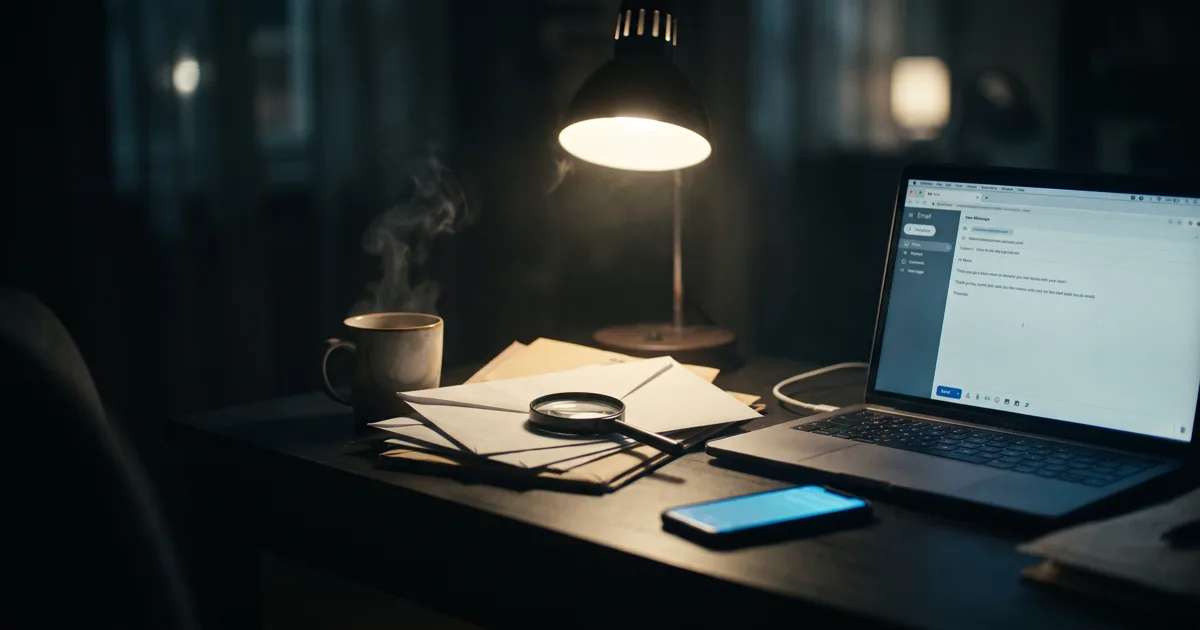
Someone got in touch offering links. Won’t be the last time either. In thirty-odd years of building websites, I’ve never bought one. That’s down to the maths, not principle. They don’t work the way the email says they do.
The link everyone chases is the one that hurts you
Here’s the trap. A link with your exact keyword as the anchor text, pointing straight at your money page, looks like the dream. It isn’t. It’s the fastest way to get flagged, because it’s exactly what a paid link looks like. Real links don’t read like that. They’re messy. Someone mentions your brand name, links to your homepage, and moves on with their day.
So if you’re chasing links, chase the boring kind. You’re after your name, not the keyword, the product page, or a link farm built to sell links.
A mention can work like a link
Once Google’s worked out who you are as a brand (what SEO people call an “entity”), being talked about near other trusted names starts to count, even without a clickable link. AI tools lean on this even harder. ChatGPT, Gemini, Perplexity are not crawling your backlink profile. They’re working out who gets recommended based on how often you show up, and where.
Worth being honest here, this bit’s less nailed-down than the rest. Google’s patents around this are genuinely open to interpretation, some SEOs think it’s about brand searches specifically, not just your name appearing in a paragraph. Either way, the practical advice holds. Getting talked about carries more weight than it used to.
Most cheap links do nothing
If the site flogging you a £20 link is already sitting on Google’s spam radar, and most are, the link is worth zero. It’s zero, not negative. It won’t hurt you. It’ll just sit there quietly doing nothing while your money’s gone.
People searching your name is the real power move
This is the one nobody’s selling you, because there’s nothing to sell. Someone searches your business name, clicks through, sticks around. Google’s building a search entity around your name. Boring. Also true, and now provable.
During the 2023 DOJ antitrust trial, Google’s own VP of Search admitted under oath that a system called Navboost, which tracks exactly this kind of click behaviour, is “one of the important signals” they use to rank pages. Google said as much themselves, in court, under oath.
What to actually do
Stop chasing links and start being the kind of business people search for by name. Get mentioned somewhere real. Answer the questions people actually ask. Let the clicks do the rest.
There’s no shortcut here, just the slow approach that actually works.
Straight Answers on Buying Links
Is buying backlinks bad for SEO?
It can be, especially if the link uses your exact keyword and points straight at a sales page. That pattern looks like a paid link to Google and can get you flagged. Cheap, low-quality links usually just do nothing rather than causing harm.
Do brand mentions help SEO even without a link?
Often, yes. Once Google recognises your business as an established brand, being mentioned near other trusted names can carry weight even without a clickable link. This matters even more for AI tools like ChatGPT and Gemini, which judge brands on how often and where they’re mentioned.
What happens if I buy a cheap backlink?
Most of the time, nothing. If the site selling the link is already flagged by Google’s spam systems, the link carries no ranking value. It won’t damage your site, but it won’t help either. You’ve simply paid for nothing.
Does Google really use clicks to rank websites?
Yes. During the 2023 US DOJ antitrust trial, Google’s own VP of Search confirmed under oath that a system called Navboost, which tracks how people click and engage with search results, is one of the important signals Google uses to rank pages.
What should I do instead of buying links?
Focus on becoming a brand people search for by name. Get genuinely mentioned on real sites, answer the questions your customers actually ask, and let people clicking through and staying on your site do the rest.