
AI tools like ChatGPT are changing how people search, but Google still handles far more searches than any tool – every day, and the numbers are not even close. So show up in both. Betting everything on AI search while ignoring Google is how small businesses lose ground, not gain it.
In this post:
- How Google and AI search actually compare right now
- Why “SEO is dead” is bad advice for a small business
- What actually changes in how you get found
- Practical steps to cover both bases without doubling your workload
Google and AI search aren’t fighting over the same customers yet
Every few months someone declares SEO dead and AI search the future. It makes for a good headline. The numbers say otherwise.
Google still processes somewhere between 8 and 16 billion searches a day, depending on whose estimate you trust. ChatGPT, by comparison, handles a few billion messages daily, and a message isn’t the same thing as a search. Someone typing “best plumber near me” into Google and someone asking ChatGPT to explain boiler pressure aren’t doing the same job.
One is someone hunting for a business (using Google for what they need right now). The other is more likely to be someone doing homework or local research.
That makes a big difference if you run a local business.
Most of your customers are still typing into Google, tapping a map pin, and ringing you up. AI search is growing fast and it’ll keep growing. But right now, for a Lincolnshire tradesperson or a local shop, it’s a second channel to think about, not a replacement for the first one.
Why “SEO is dead” is lazy advice
Anyone telling you to abandon SEO because AI is taking over is either selling you something else or hasn’t looked at their own traffic numbers. Search Engine Land opens in a new tab and Search Engine Journal opens in a new tab (2 big resources about search engines etc) have both reported that most small business websites still get the bulk of their traffic from organic Google search, not from AI chat tools sending clicks their way.
But don’t for a second think AI search doesn’t matter… It does.
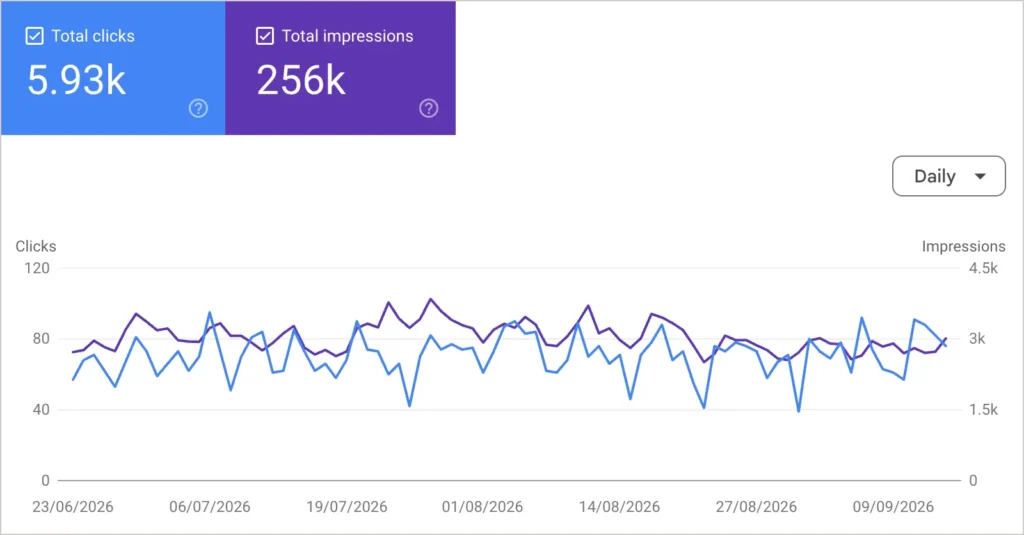
What’s changed is how Google itself works. AI Overviews now sit above a big chunk of results, answering questions before anyone reaches your site. Zero-click searches, where someone gets an answer and never visits a website at all, have crept up too. That’s a real shift, and it changes what ranks well, not whether SEO works at all.
What’s actually changing in search, and what to do about it
The rules have changed. Three things count for more now than they did three years ago.
Structured, specific content beats vague marketing copy. Google’s AI Overviews and tools like ChatGPT both favour content that answers a direct question clearly, with a real name, a real place, and a real fact attached.
“We provide quality services” gets you nowhere.
“We’ve fitted over 200 boilers in Louth since 2019” gets picked up.
Your Google Business Profile sometimes carries as much weight as your website now. A huge share of local searches, AI-assisted or not, pull straight from your business listing: reviews, opening hours, photos, service areas. If that’s out of date, you’re invisible before someone even reaches your site.
Showing up in AI answers means giving the tool something to quote. If your website reads like a brochure with no substance, there’s nothing to lift. If it answers real questions with real detail, there’s plenty.
Tighten what you’ve already built rather than rip it up and start again. Don’t let anyone tell you that you need a new website (unless it is really bad).
A simple website with great content is 100% better than a flashy website with rubbish content.
Covering both Search Engines and LLMs without burning out
The overlap between ranking on Google and showing up in AI search is bigger than most agencies selling AI packages will admit. You don’t need two separate strategies.
A few things worth doing this month:
- Check your Google Business Profile is current, photos included, hours right, and at least one recent review answered
- Rewrite your top three service pages so each one answers the question a customer would actually type or ask, with your location and a specific detail included
- Add an FAQ section to key pages that answers the questions people ask before they call
This is an afternoon’s work, done right, not a six-month project. And if you’re not confident doing it yourself, don’t take the first thing that comes out of ChatGPT. Ask for help.
Fancy a chat about your business?
If you want a clear picture of where your site stands right now, and what’s worth fixing first, that’s exactly the kind of audit I do and I mostly do it for local businesses in and around Louth, Lincolnshire. No jargon, no hard sell, just a straight answer on what’s working and what isn’t.
Common questions about SEO and AI search for small businesses
Is SEO still worth it now that AI search tools exist?
Yes. Google still handles far more daily searches than any AI chat tool, and most small business website traffic still comes from organic Google search. AI search is growing, but it hasn’t replaced traditional search for local, transactional queries like “plumber near me.”
What’s the difference between optimising for Google and optimising for AI search?
Less than most people think. Both reward clear, specific content that answers a direct question with real detail. A well-optimised Google page and an AI-citable page overlap far more than they conflict.
Should a small business prioritise its website or its Google Business Profile?
Both, but don’t neglect the profile. A large share of local searches pull information directly from Google Business Profiles, including reviews, hours, and photos. An out of date profile can cost you visibility before someone even reaches your website.
What are AI Overviews and how do they affect my website traffic?
AI Overviews are the AI generated summaries Google now shows above standard search results for many queries. They can answer a searcher’s question before they click through to a website, which is part of why zero-click searches have increased. Writing clear, specific content improves your chances of being the source it pulls from.